
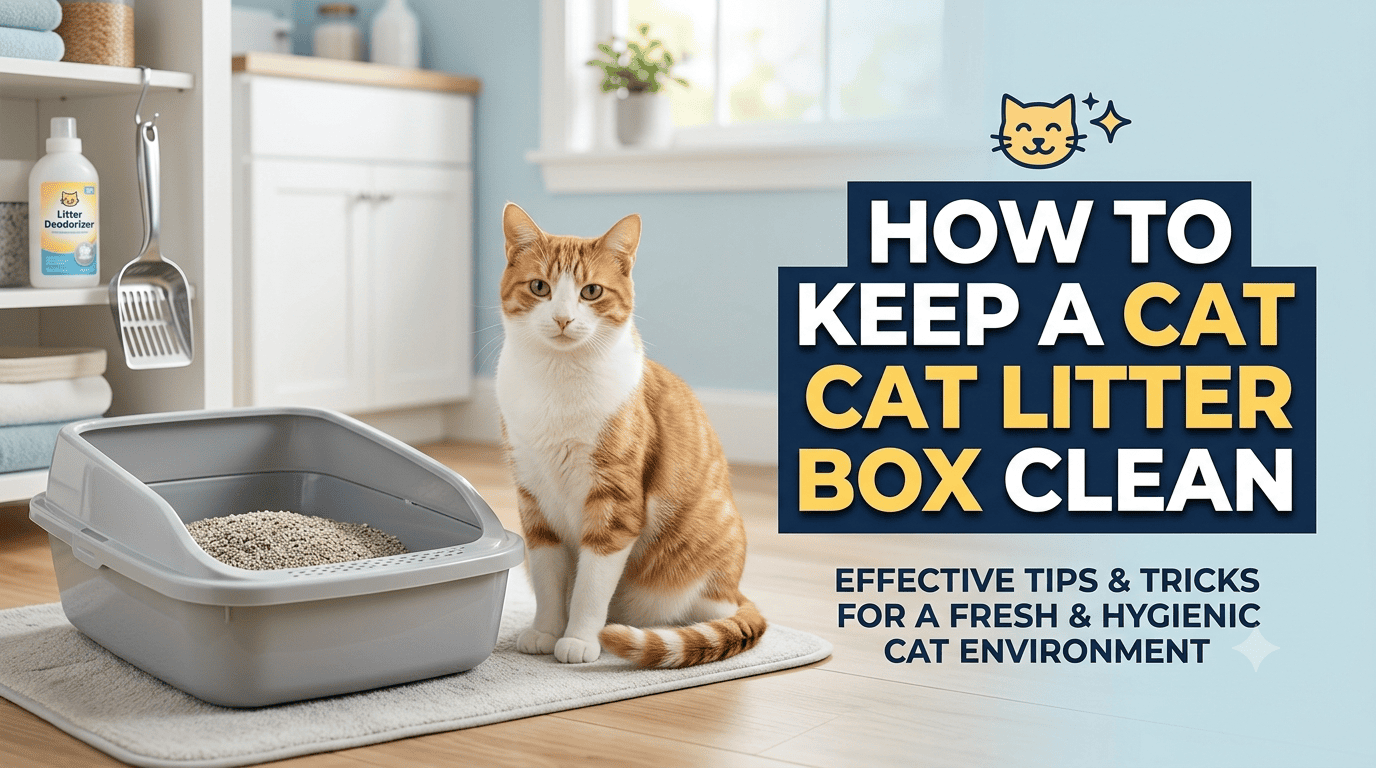
Scooping daily and still catching that faint, unmistakable smell the second you walk past the laundry room. That’s the part nobody warns you about — a technically well-maintained box that still isn’t actually clean in the way that matters, because cleanliness here is about more than just removing the obvious waste on schedule.
Frequency gets most of the attention in litter box advice. This is about everything else — the tools, materials, and small habits that determine whether a box stays genuinely clean between those scheduled deep cleans, not just visibly tidy.
The Scoop Itself Matters More Than People Think
A cheap, flimsy scoop with wide gaps lets fine litter and small clumps fall back through during scooping, which means waste gets left behind even during a conscientious daily scoop. A solid, tight-mesh metal scoop catches more of the actual waste and less of the clean litter, meaning less product waste and a genuinely cleaner result each time.
Rinsing the scoop occasionally, not just wiping it on the side of the box, prevents residue buildup on the scoop itself from becoming its own small odor source sitting right next to the box.
Litter Mats Do More Work Than They Get Credit For
Cats track litter out of the box on their paws regardless of box quality, and a mat placed directly outside the box catches most of that before it spreads across the floor. Beyond the obvious mess reduction, tracked litter that isn’t caught tends to get walked further into the house and ground into flooring or carpet, which is harder to clean than simply sweeping a mat.
A textured rubber or honeycomb-style mat traps more litter than a flat fabric one, since the raised texture pulls granules off paws more effectively during the walk across it.
Address the Box Material, Not Just the Contents
Plastic litter boxes develop fine surface scratches over time from digging and scooping, and those scratches hold onto bacteria and odor in a way that resists even thorough cleaning. A box that’s a couple of years old, scratched, and still smells faintly after a full scrub-down often isn’t a cleaning failure — it’s the material itself that’s become the odor source.
Replacing the box roughly once a year, sooner if scratches are visibly heavy, resolves a persistent smell that cleaning products alone can’t fully fix. This is one of the more overlooked details in ongoing litter box maintenance, since most people focus entirely on the litter and cleaning routine while assuming the box itself is a fixed, permanent object.
Litter Additives, Used Correctly
Baking soda mixed into the litter, a thin layer at the bottom of the box, absorbs some odor without affecting most cats’ willingness to use the box, unlike heavily scented commercial deodorizing powders, which some cats actively avoid. A light dusting is enough — too much can alter the litter’s texture in a way that some cats do notice and dislike.
Activated charcoal litter additives work through a different mechanism, absorbing odor molecules directly rather than masking them, and tend to be well-tolerated by most cats since they’re typically unscented.
Avoid scented litter or heavy air freshener sprays directly in or near the box. Cats have a considerably more sensitive sense of smell than people, and a scent that seems pleasant to a person can be genuinely unpleasant up close for a cat, sometimes enough to trigger avoidance.
Ventilation and Placement for Odor Control
A box tucked into a small, poorly ventilated closet holds odor far more than one in an open area with some airflow, regardless of how often it’s cleaned. If the box needs to stay in an enclosed space for other reasons, a small vent fan or simply keeping the closet door cracked meaningfully reduces trapped odor buildup between cleanings.
An air purifier with a carbon filter placed near, but not directly on top of, the litter area handles airborne odor more effectively than scented sprays, which tend to just add a second smell on top of the first rather than actually removing anything.
The Weekly Deep Clean Technique That Actually Works
Beyond daily scooping, a proper weekly clean matters for genuine cleanliness, and the technique matters as much as the frequency:
- Dump all litter completely, even portions that still look clean
- Wash with mild, unscented dish soap and warm water — avoid ammonia-based cleaners specifically, since ammonia is a component of cat urine itself, and using an ammonia-based cleaner can actually reinforce the box as a bathroom location rather than neutralizing the smell
- Scrub corners and the underside of any lip or rim, where waste residue tends to accumulate unnoticed
- Dry completely before adding fresh litter — a damp box encourages bacterial growth that undermines the whole point of cleaning it
Skipping the full dry-out step is a common mistake, since a still-damp box refilled with litter creates a moist environment that speeds up new odor formation almost immediately.
Multi-Cat Households Need a Different Cleaning Rhythm
With more than one cat, a single box gets used more frequently, meaning odor and waste build up faster than a standard once-daily scoop schedule accounts for. Two scoops a day, rather than one, keeps pace with actual usage in most multi-cat homes, and staggering deep cleans across multiple boxes on different days prevents all of them needing attention simultaneously.
What Actually Undermines a Clean Litter Box
- Scented litter or sprays — often adds a smell cats dislike rather than removing the odor problem itself
- Ammonia-based cleaners — chemically similar to a component of urine, which can counterintuitively reinforce rather than eliminate the bathroom association
- An old, scratched box — holds bacteria and odor regardless of cleaning effort once the surface has degraded enough
- Skipping the full dry-out after washing — refilling a damp box speeds up new odor formation
FAQ
What’s the best way to remove odor from a litter box?
A combination of a light baking soda layer in the litter, good ventilation, replacing an old or scratched box, and avoiding ammonia-based cleaners tends to work better than any single fix alone.
Should ammonia-based cleaners be used on a litter box?
No — ammonia is a component of cat urine, so ammonia-based cleaners can reinforce rather than eliminate the bathroom association for the cat.
How often should a litter box itself be replaced?
Roughly once a year, sooner if the plastic is visibly scratched, since scratches hold bacteria and odor that cleaning alone can’t fully remove.
Do litter mats actually help keep things clean?
Yes — they catch litter tracked out on paws before it spreads to flooring or gets ground into carpet elsewhere in the house.
Is scented litter better for controlling odor?
Not necessarily — many cats dislike strong scents and may avoid a box using scented litter, sometimes making odor and mess issues worse rather than better.